Scott 3200A Tailwheel – Fully Rebuilt: Reliable Aircraft Ground Handling Performance
Scott 3200A Tailwheel – Fully Rebuilt: Reliable Aircraft Ground Handling Performance
Blog Article
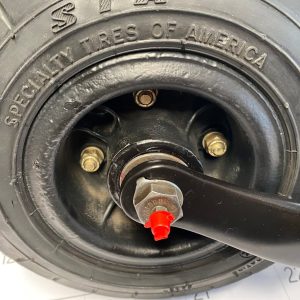
The Scott 3200A Tailwheel – Fully Rebuilt provides aircraft owners, pilots, maintenance facilities, and restoration specialists with a renewed tailwheel solution developed for compatible conventional-gear aircraft. Clear rebuild records help aircraft owners and maintenance professionals evaluate the tailwheel before installation.
The Scott 3200A Tailwheel Assembly remains relevant for restoration work, scheduled maintenance, worn-component replacement, and ground-handling improvement projects. Professional rebuilding can renew worn mechanical relationships when suitable components and procedures are used.
A worn or incorrectly configured Aircraft Tailwheel Assembly can contribute to shimmy, poor tracking, binding, excessive swivel, uneven tire wear, or difficult maneuvering. A General Aviation Tailwheel operating mainly on pavement may experience different wear from one used regularly on grass, gravel, dirt, or backcountry strips.
Whether the requirement is an Aircraft Tailwheel, Taildragger Tailwheel, Aviation Tailwheel System, or Tailwheel Steering Assembly, exact compatibility should guide the purchase.
Key Benefits of a Rebuilt Scott 3200A
The assembly can respond to normal steering input while allowing broader movement when its internal mechanism releases appropriately. The tailwheel operates together with the aircraft tail spring, steering chains or links, steering springs, rudder system, attachment bolts, and surrounding structure.
Scott 3200A Tailwheel Applications
The Scott 3200A Tailwheel Assembly includes a wheel-and-fork structure combined with steering and swiveling mechanisms for suitable tailwheel-equipped airplanes. The exact work completed should be listed clearly because rebuilt assemblies may differ in scope and component replacement.
Scott Tailwheel Reliability and Condition
The rebuilder should evaluate corrosion, cracking, bearing condition, spring strength, steering engagement, axle wear, bushing clearance, and fastener serviceability. A freshly painted assembly may still contain worn bearings, weak springs, excessive clearances, or damaged steering components when no true rebuild was completed.
How an Aircraft Tailwheel Assembly Works
The assembly should move freely enough for intended operation while avoiding uncontrolled swivel or excessive looseness. A bent or fatigued tail spring can alter alignment and the aircraft’s ground attitude.
Choosing a General Aviation Tailwheel
Maintenance intervals should reflect actual operating conditions rather than calendar time alone. Vintage aircraft may require additional compatibility review because previous owners may have changed springs, chains, wheels, or mounting hardware.
Aircraft Tailwheel Steering Performance
Its geometry, tire condition, fork alignment, steering arrangement, and internal condition can influence ground behavior. The wheel should rotate smoothly without excessive side play, roughness, binding, or abnormal drag.
Taildragger Tailwheel Performance
Mechanical wear, poor alignment, or unsuitable steering adjustment can increase pilot workload. Repeated hard pivoting can increase wear on the tire, bearings, springs, steering arms, fork, and mounting hardware.
Benefits of an Aviation Tailwheel System
A complete inspection helps avoid unnecessary replacement and repeated troubleshooting. Correct setup supports consistent Aviation Tailwheel System operation.
Choosing a Tailwheel Steering Assembly
A Tailwheel Steering Assembly converts rudder-related input into directional movement during taxiing and low-speed ground operations. Steering arms should be inspected for bending, cracking, corrosion, elongated holes, and wear at attachment points.
Aircraft Ground Handling Tailwheel
Its mechanical condition influences how easily the aircraft can turn and track on the ground. Towing should use appropriate equipment and procedures that avoid overloading steering arms, chains, springs, forks, or mounting structures.
Benefits of the Scott 3200 Series Tailwheel
A professionally rebuilt Scott 3200A can continue this design heritage while offering renewed mechanical condition. A visually similar tailwheel may contain important differences affecting installation or operation.
Benefits of a Heavy-Duty Aircraft Tailwheel
The tailwheel should match the aircraft’s suitable configuration, tail load, geometry, and operating environment rather than being selected from appearance alone. Durability depends on structural condition, bearing service, steering-spring integrity, wheel alignment, lubrication, tire condition, and correct installation.
Maintaining Tailwheel Components
Visually similar hardware can differ in dimensions, material, strength, finish, or mechanical fit. A weak spring, worn bushing, rough bearing, damaged pawl, or incorrect fastener may create movement throughout the mechanism.
Aircraft Steering Tailwheel Performance
A rebuilt steering mechanism should be evaluated for smooth, consistent, and repeatable operation. Maintenance personnel should inspect steering arms, springs, chains, fork structure, wheel condition, and mounting points after significant events.
Benefits of a Replacement Aircraft Tailwheel
The rebuilt Scott 3200A should be compared with both the existing installation and the intended aircraft configuration. A professional pre-installation review protects both the aircraft and the buyer’s investment.
General Aviation Landing Gear Parts
The tailwheel should be considered within the broader condition and Aviation Tailwheel System alignment of the aircraft landing gear. Sellers should avoid unsupported claims of universal compatibility, guaranteed serviceability, or immediate installation readiness.
Scott Tailwheel Condition Checklist
The seller should disclose which parts were replaced, which components were retained, and whether repairs or limitations remain.
- Determine whether the sale includes the tire, wheel, axle, bearings, steering springs, chains, mounting bolts, fittings, and rebuild records.
- Inspect the assembly for cracks, corrosion, bending, damaged threads, enlarged holes, fork distortion, tire wear, rough rotation, and excessive looseness.
- Report missing parts, shipping damage, rough operation, identification discrepancies, or incomplete documentation according to the agreed terms.
Installing the Scott 3200A Tailwheel
Professional installation helps protect both the rebuilt Scott 3200A and the aircraft structure. The tailwheel should move through its intended range without binding, abnormal looseness, interference, or contact with surrounding components.
A post-installation inspection can confirm hardware security and reveal early movement marks.
Routine Tailwheel Inspection and Service
Preventive maintenance can identify wear before it develops into shimmy, binding, looseness, poor steering, or component damage. Early attention supports reliable long-term operation.
Cleaning methods should avoid forcing dirt deeper into bearings, bushings, and internal steering components.
Scott 3200A Tailwheel Conclusion
The Scott 3200A Tailwheel – Fully Rebuilt may suit aircraft owners, bush operators, restoration facilities, flight schools, maintenance organizations, and pilots seeking renewed ground-handling performance. Careful technical and commercial evaluation can reduce compatibility problems, repeated repairs, project delays, and unexpected costs.
Whether the aircraft operates from pavement, grass, gravel, dirt, private strips, utility fields, or backcountry airfields, the tailwheel should match the actual aircraft and operating environment. With qualified evaluation and continued care, the Scott 3200A Tailwheel – Fully Rebuilt can deliver a professional combination of durability, directional control, and reliable aircraft ground performance.
Report this page